


The Wonder that is Nanaimo Bars
I’ve noticed this July that there are many days belonging to food. Apple turnover day, Pina Colada day, and Canada Day itself is also Ginger Snap day.
These little cookies are one of my favorite sweet treats, but, they’re not the subject of this blog (although perhaps a gluten free version will be coming up here soon)!
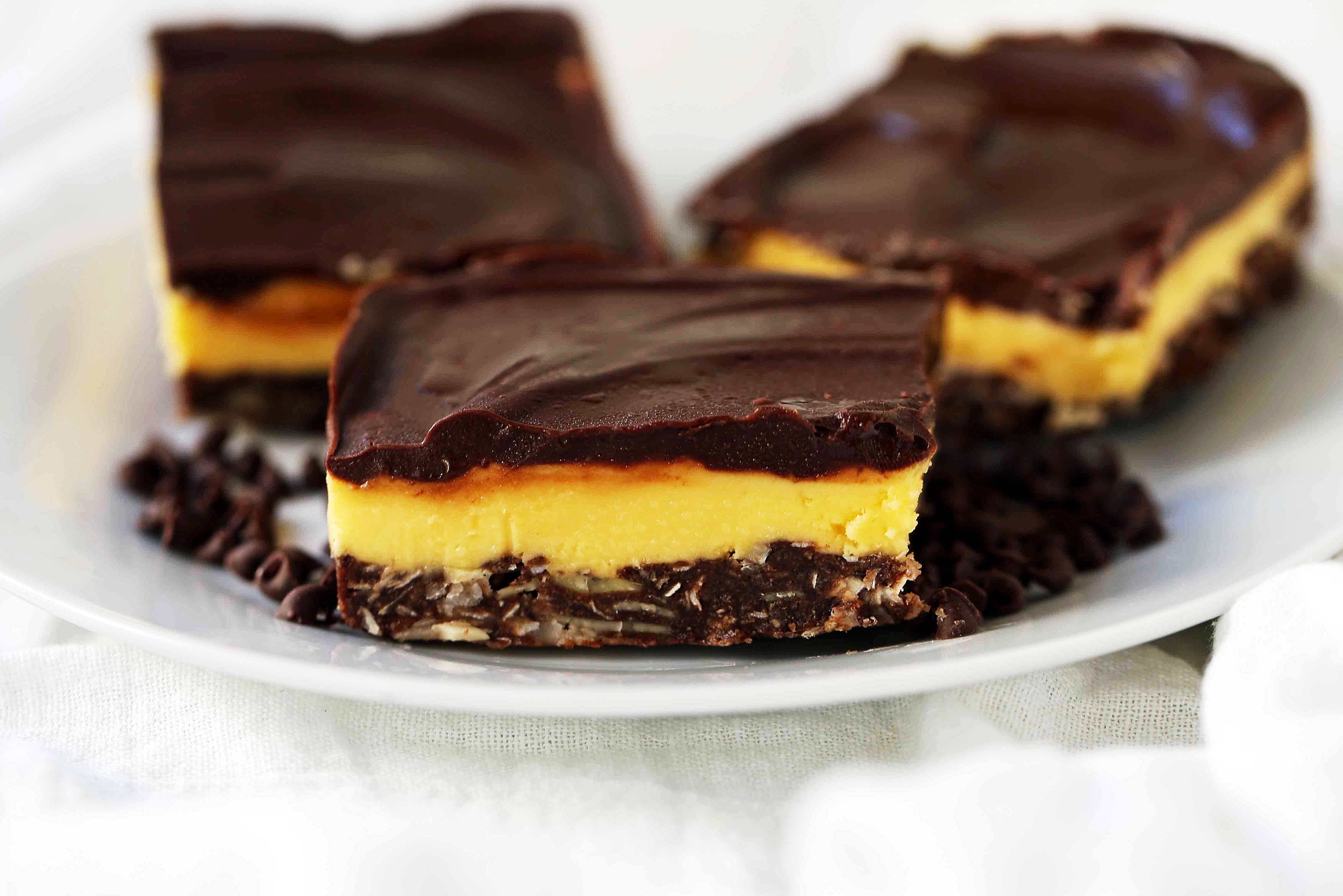
The focus on food for July (making July itself Ice Cream month, a great choice for the northern Hemisphere) made me pop to the shops to find some ice cream… which led to the discovery of a particularly Canadian flavor, Nanaimo Bar Ice Cream.
A variety of thoughts and emotions were raised by this discovery:
- damn! lactose intolerant (is it worth it? To see how they pulled such a marvelous flavor off?
- damndamn! Nuts! This second point is a very hot topic amongst Canadians. The decision to include nuts in the crust of a nanaimo bar would spur on clan wars in my home country. There would be battles, holy stones, songs sung… thankfully, people here are more composed, but one’s declaration of ‘to nut or not to nut’ results in either a round of applause, or a stony-faced look as the betrayal to the Nanaimo Bar breed changes your companion’s view of you forever…
- How much wheat is in the crust, anyway? And heck- I can make a crust with gluten-free flour!
So, ever the random one, me, is my own private Nanaimo Bar recipe, not connected to all the great food days in July in any way, shape or form!
Oh, wait- I forgot. These little gems are an uniquely Canadian tradition, and as such, require a trifling explanation.
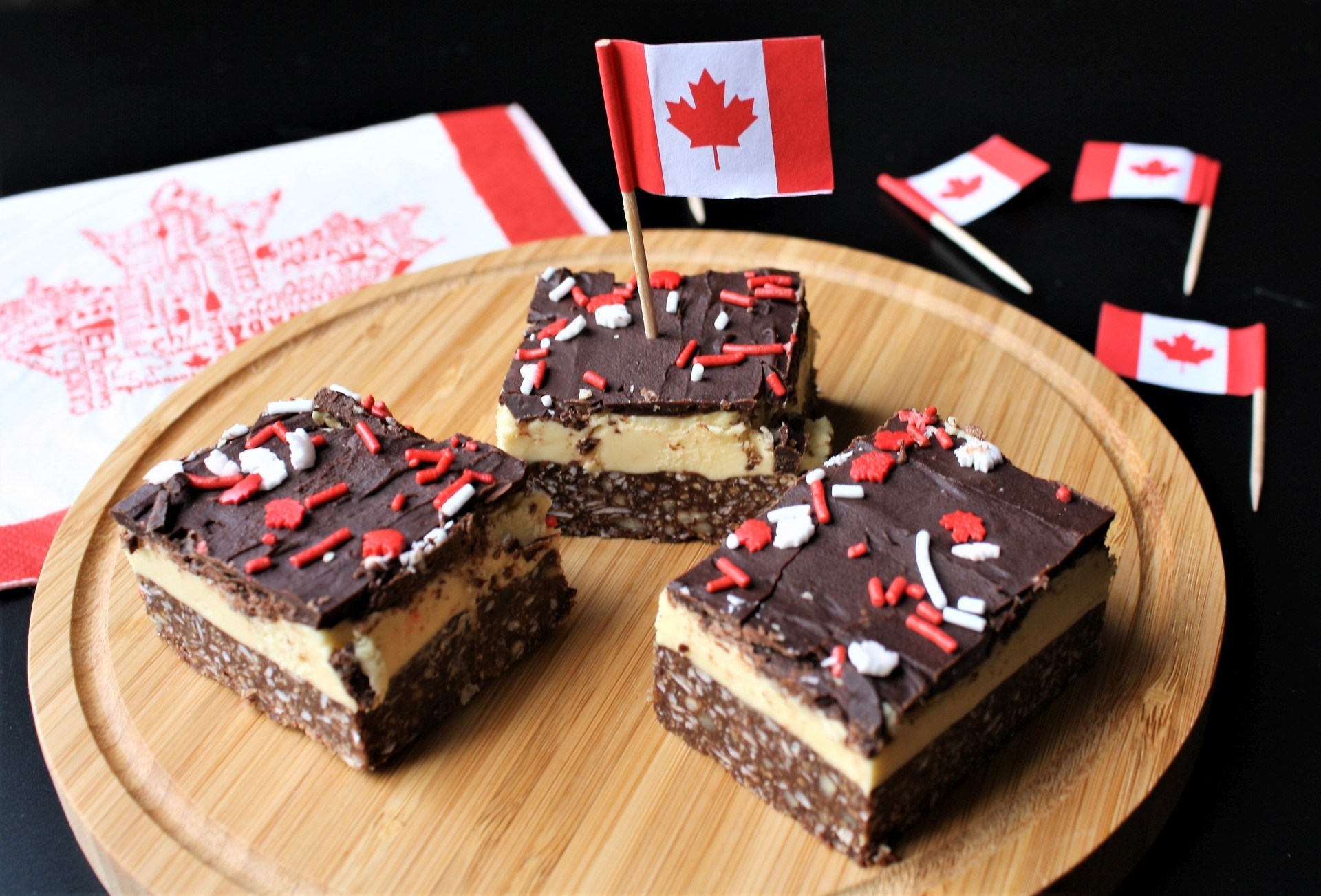
The Nanaimo Bar is named after the town on one of the extreme west islands of British Columbia, Nanaimo, BC. A gem of a little town, looking out onto the inside passage up to Alaska, sheltered from the full brunt of the Pacific’s storms. While Edith Adams is credited with the original recipe, it was first called the London Fog Bar, which, if you know a little about London in the early 1950s when the bar was created, puts a whole new, poignant spin on the dark, dark chocolate coating and the yellow middle layer, thick as, well, a London Fog….

 This dreadful consequence of coal and combustion engine use is said now to have killed over 12,000- far above the original estimate of only one third of this total.
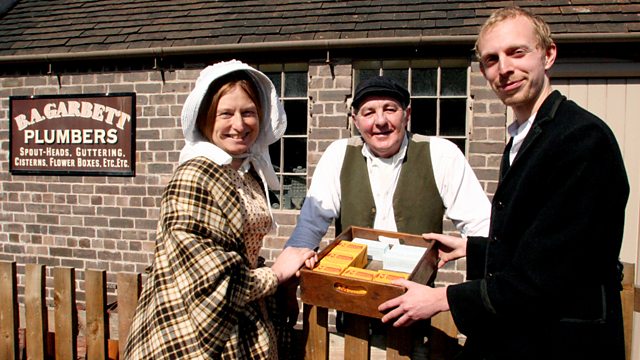
 Nevertheless, a different sort of historical digression bears mentioning here. The delicious filling is essentially a thick custard- today using pre-made custard powder, a relic from the Industrial Revolution and the pharmacists’ foray into food products (if you’re scratching your head at this, I suggest you watch BBC’s Victorian Pharmacy, wherein the effervescent Ruth Goodman makes her own custard powder for sale, all in period style).
Actual custard comes, in English cooking, from the progression of the Norman Blancmange through to custard sauces used for a delicious little dish known as a hedgehog- sponge cake swimming in this lovely, sun-yellow sauce. (The Scotsman in me bids me mention that, of course, we were making custards in our wee leather satchels boiling by the fire, sweetened with beech and laurel leaves and honey, with nice berries and currants we found thrown in, back when Doggerland was still above the waters of the North Sea, but, let’s give the Normans this… if only due to the comedic significance of the word, blancmange, and the historic Wimbeldon match Angus Podgorny v. Blancmange).

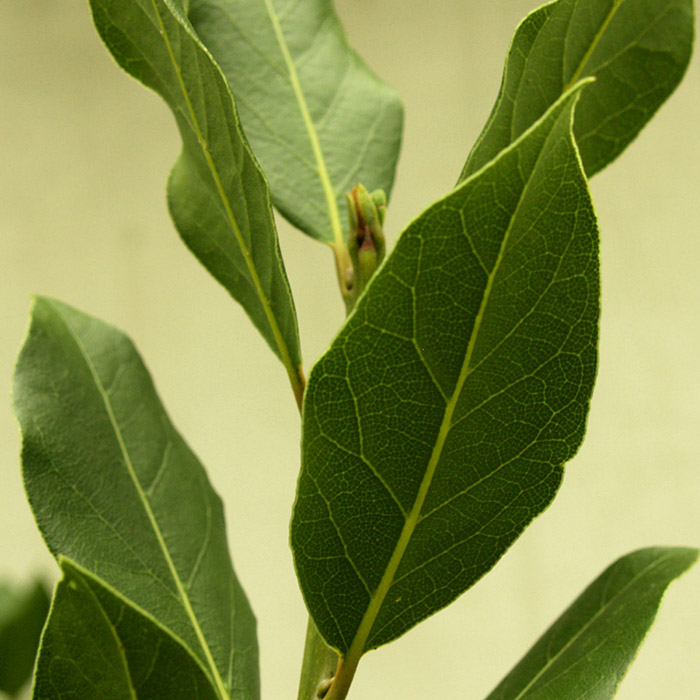
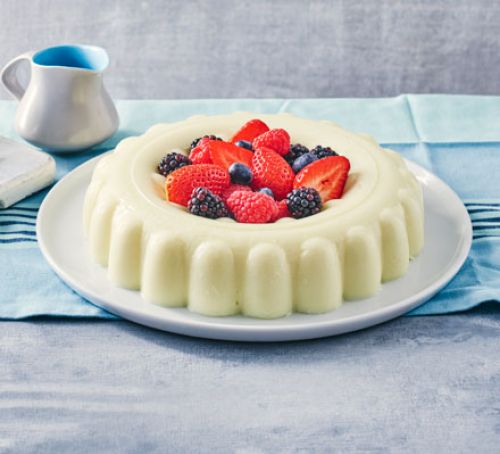

Yes, custards were originally flavored with noyau (which is beech leaf infusion/leaves themselves) or laurel. This is a flavor analogous to almond, and in later times was replaced by sweet almond. This is another indicator to the connection between Nanaimo Bars and their English roots- another source of polite culinary fisticuffs is the decision to add sweet almond flavor, or no!
Ah-ha! We have our proof! Nanaimo Bars are therefore like my cousins, MacGregors, freckled with prominent noses and strong chins, but taller and broader and bearing a different accent… but you see the lineage, nevertheless.
So, at any rate, here is my own recipe for these utterly decadent little morsels: (as usual, the more organic the better, particularly cocoa, coconut milk and oils!)


 Firth of Clyde